
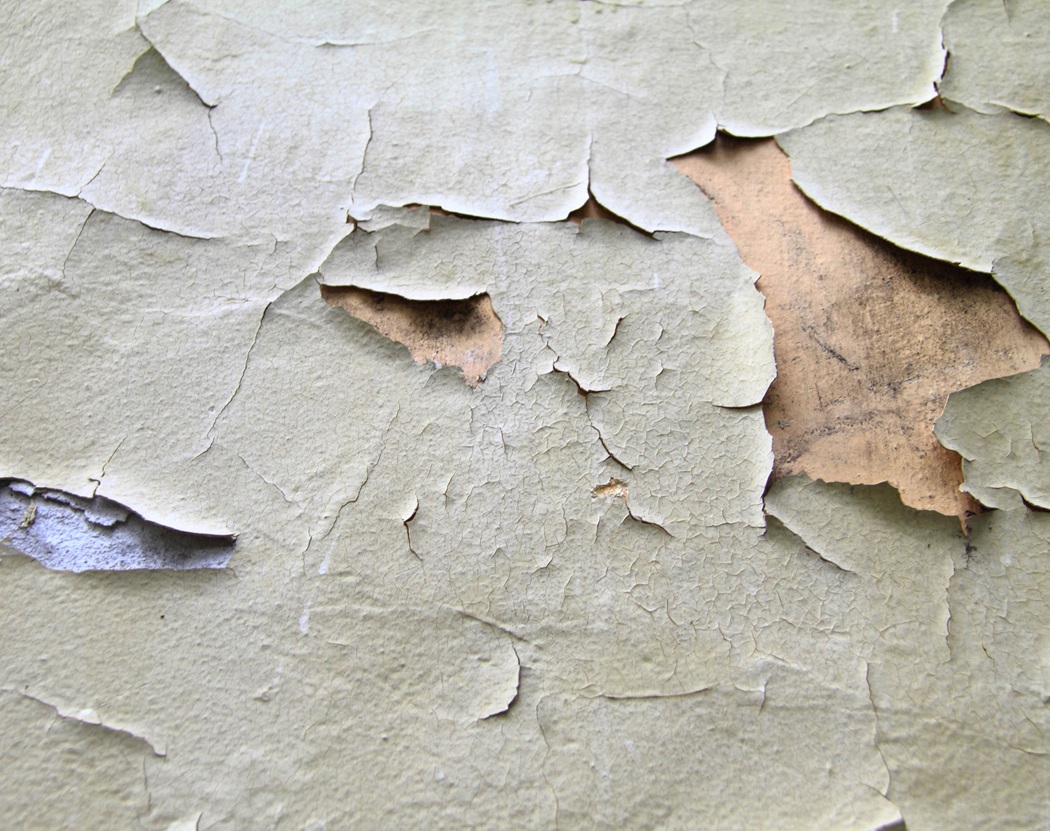
Peeling paint is one of those problems that seems to appear out of nowhere. A wall or exterior surface can look perfectly fine one year, only to develop cracking, bubbling, or flaking paint the next. Older New Hampshire homes are particularly susceptible because decades of previous paint layers, aging materials, moisture exposure, and dramatic seasonal temperature changes can all affect how well new paint adheres. Simply adding another coat over the problem rarely fixes it for long. Keep reading to learn what causes the paint to fail in the first place and how to get lasting results.
Why Does Paint Peel on Older Homes?
Paint peels when it loses its ability to adhere properly to the surface underneath. That can happen for several reasons, and older homes often have more than one working against them.
Unlike a newly built home with relatively consistent surfaces, an older property may have layers of previous coatings, repaired areas, aging wood, and surfaces exposed to moisture for years.
Common causes include:
- Moisture trapped behind the paint
- Poor surface preparation
- Painting over dirty or chalky surfaces
- Too many old layers of paint
- Incompatible paint products
- Painting in unsuitable weather conditions
- Aging or deteriorating wood
- Normal expansion and contraction of building materials
The peeling you see is often only the visible symptom. Address the underlying problem before repainting.
New Hampshire Weather Can Make the Problem Worse
New Hampshire doesn’t exactly give exterior paint an easy life. A home may experience freezing temperatures and snow during winter, humid conditions during summer, heavy rain in spring, and significant temperature swings throughout the year. These changes cause exterior materials to expand and contract.
Paint has to move with the surface. Over time, repeated expansion and contraction can weaken the bond between the coating and the substrate. Once small cracks or gaps develop, moisture can get underneath the paint and accelerate the deterioration. This is one reason a paint job that performs well in a mild climate can struggle on an older New Hampshire home.
Moisture Is One of the Biggest Causes of Peeling Paint
If paint is repeatedly peeling in the same area, don’t automatically assume the paint itself is the problem. Moisture may be getting into the surface. Possible sources include:
- Leaking gutters
- Damaged flashing
- Roof leaks
- Poor drainage
- Failed caulking
- Condensation
- Water getting behind siding
- Damp wood
Once moisture becomes trapped beneath a coating, it can weaken adhesion and cause bubbling, blistering, and peeling. Painting over the affected area without addressing the moisture source is essentially putting a bandage over the problem. The new paint may look good initially, but the peeling often returns.
Older Homes Often Have Multiple Layers of Paint
An older New Hampshire home may have been painted many times over several decades. Each layer can have a different age, condition, and coating type. If the older layers underneath are already failing, applying a new coat over them is an avoidable painting mistake, since it doesn’t make the underlying problem disappear.
Instead, the new paint may bond to a weak layer rather than to a sound surface. That is why professional preparation can involve much more than scraping a few visible flakes.
Poor Surface Preparation Can Cause New Paint to Peel
Even a high-quality paint won’t adhere properly to a dirty or unstable surface. Dust, dirt, grease, chalking, loose paint, mildew, and oxidation can all interfere with adhesion. Before repainting an older home, the surface may need to be:
- Cleaned thoroughly.
- Scraped to remove loose or failing paint.
- Sanded where appropriate.
- Repaired where the substrate is damaged.
- Primed where necessary.
- Caulked and sealed around appropriate joints.
- Allowed to dry properly before painting.
The exact preparation depends on the home’s surface and condition.
Old Wood Can Create Its Own Painting Problems
Many older New England homes contain substantial amounts of wood siding, trim, windows, doors, and other exterior details. Wood naturally absorbs and releases moisture. As it does, it expands and contracts. Aging wood may also become:
- Soft
- Cracked
- Weathered
- Splintered
- Rot-damaged
- Excessively dry
Painting deteriorated wood without addressing its condition won’t produce a durable finish. Sometimes the solution is simply proper preparation and priming. In other cases, damaged sections may need repair or replacement before you can begin painting.
Painting Over Peeling Paint Doesn’t Work
It can be tempting to think, “I’ll just scrape the worst spots and paint everything again.” Unfortunately, that shortcut often creates another problem. If loose paint remains underneath, the new coating is only as strong as the unstable layer beneath it. Eventually, the old coating can continue separating from the surface, taking the new paint with it.
A professional repaint should focus on creating a stable surface first. The goal isn’t necessarily to remove every molecule of old paint from an older home. It’s to remove failing material and create a sound, properly prepared surface for the new coating system.
Does Primer Help Prevent Peeling Paint?
Primer can play an important role, but it isn’t a magic solution. The right primer can improve adhesion, seal porous surfaces, and provide an appropriate foundation for the finish coat. It can be especially useful when dealing with:
- Bare wood
- Repaired areas
- Significant color changes
- Chalky surfaces
- Certain previously painted surfaces
- Areas where adhesion is a concern
The important part is choosing a primer that is compatible with the substrate and the finish paint. Putting primer over a poorly prepared surface won’t solve the underlying problem.
Can You Paint an Older Home Without Removing All the Old Paint?
Usually, complete removal isn’t necessary. If existing paint is firmly bonded and in good condition, it can often remain in place after appropriate cleaning and preparation. The problem is loose, cracked, blistered, or peeling paint.
Those areas need attention before repainting. Depending on the condition of the surface, preparation may include scraping, sanding, feathering edges, and spot priming. The objective is to create a stable, uniform surface, not automatically strip an entire house down to bare material.
What About Older Homes With Lead Paint?
Homes built before 1978 may contain lead-based paint. Disturbing old painted surfaces through sanding, scraping, or other methods can create hazardous lead dust or chips. If you’re working on an older New Hampshire home and there is a possibility of lead-based paint, don’t treat the project like an ordinary DIY repaint.
The U.S. Environmental Protection Agency guides lead-safe renovation practices and requirements for contractors working on homes built before 1978. Professional evaluation and appropriate lead-safe practices may be necessary before disturbing existing coatings.
Preventing Paint From Peeling Again
The best way to prevent recurring peeling is to address the cause rather than repeatedly covering the symptom. A durable repaint typically starts with:
1. Inspecting the Surface
Look for moisture damage, failing paint, cracks, deteriorated wood, and other issues before choosing a coating.
2. Fixing Moisture Problems
Address leaks, drainage issues, damaged caulking, and other sources of water intrusion.
3. Preparing the Existing Paint
Remove loose material and prepare sound surfaces for the new coating.
4. Using the Right Primer
Where primer is necessary, use one appropriate for the surface and existing conditions.
5. Choosing the Right Exterior Coating
The coating must suit the substrate and the home’s exposure.
6. Painting Under Suitable Conditions
Temperature, humidity, rain, and surface moisture can all affect application and curing. Skipping any of these steps can reduce the lifespan of the finished paint job.
Professional Preparation Matters on Older Homes
Painting an older home isn’t always about putting paint on the walls or siding. Much of the work happens before the first coat goes on. Experienced painters look beyond obvious peeling and consider the substrate, previous coatings, moisture exposure, and the surface’s specific requirements.
At Miles Makaroski Painting, our team brings more than 40 years of painting experience to residential and commercial projects throughout Atkinson, Salem, and surrounding New Hampshire communities. We focus on proper preparation and durable finishes so homeowners aren’t simply covering up problems that will return a few months later.
Dealing with peeling or failing paint on an older New Hampshire home? Miles Makaroski Painting can evaluate your surfaces, handle the necessary prep, and deliver a professional finish built for local conditions. Contact us today for a free estimate on your next painting project.
FAQs
Should I remove all the old paint before repainting?
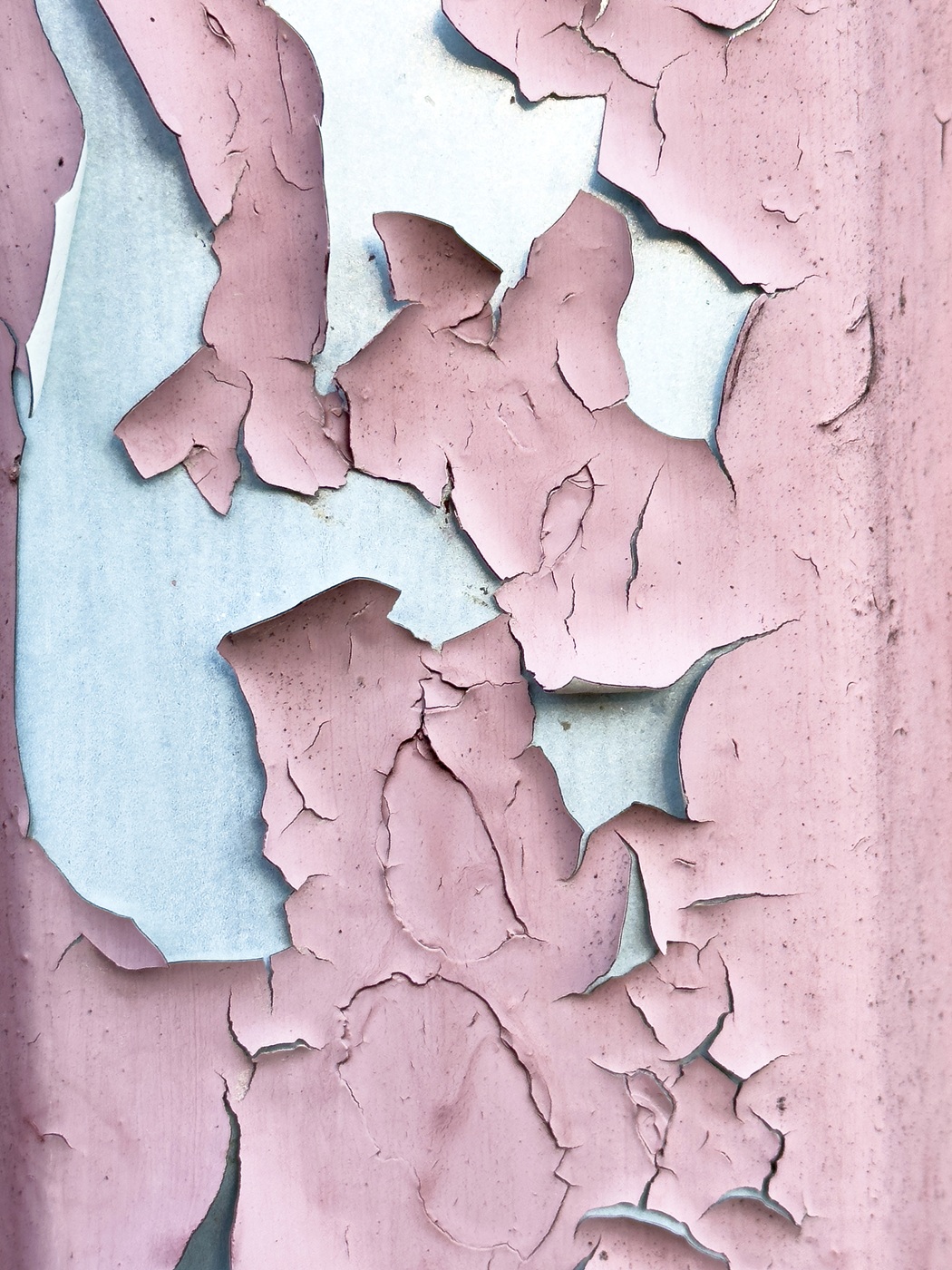
Not necessarily. Sound, well-adhered paint can often remain. Remove loose, peeling, cracked, or otherwise failing paint, and properly prepare the underlying surface before repainting.
Can I paint over peeling exterior paint?
It’s not recommended. Remove loose paint and stabilize the surface first. Painting directly over failing coatings often causes the new paint to peel along with the old layer.
Does primer stop exterior paint from peeling?
Primer can improve adhesion and protect certain surfaces, but it won’t fix moisture problems or unstable old paint. Proper preparation and addressing the cause of peeling matter just as much.
How do I know if moisture is causing my paint to peel?
Recurring peeling, bubbling, blistering, or deterioration around windows, trim, gutters, and other moisture-prone areas can indicate a water problem. Identify and correct the source before repainting.
Can older homes be repainted without stripping them completely?
Yes, in many cases. If existing coatings are firmly attached, you can often clean and prepare them rather than remove them completely. The appropriate approach depends on the condition and type of existing paint.
One Response