
A fresh coat of paint can completely change the look and feel of your home, but only if it’s done correctly. Many interior painting problems become noticeable when the paint has dried, resulting in uneven coverage, visible brush marks, or peeling areas. Unfortunately, fixing these mistakes often takes more time and money than preventing them in the first place. Whether you’re painting a single room or your entire home, understanding the most common interior painting mistakes can help you achieve results that look great and last longer.
1. Skipping Surface Preparation
One of the biggest reasons paint fails isn’t the paint itself. It’s poor preparation. Walls collect dust, grease, fingerprints, and residue over time. Small holes, cracks, and peeling areas also become more obvious once fresh paint is applied.
Painting over dirty or damaged surfaces often leads to poor adhesion and an uneven finish. Before painting, walls should be cleaned, repaired where necessary, and lightly sanded to create a smooth surface for the new paint.
2. Choosing the Wrong Paint Finish
Many homeowners spend hours choosing a color but give little thought to the paint finish. The sheen affects not only the appearance of a room but also its durability and ease of maintenance.
- Flat or matte finishes work well for ceilings and low-traffic areas because they hide imperfections.
- Eggshell offers a soft appearance and is a popular choice for living rooms and bedrooms.
- Satin provides better durability, making it suitable for hallways, kitchens, and family rooms.
- Semi-gloss is commonly used on trim, doors, and cabinets because it’s easy to clean.
Choosing the right finish for each room helps your paint perform better over time.
3. Not Testing Paint Colors First
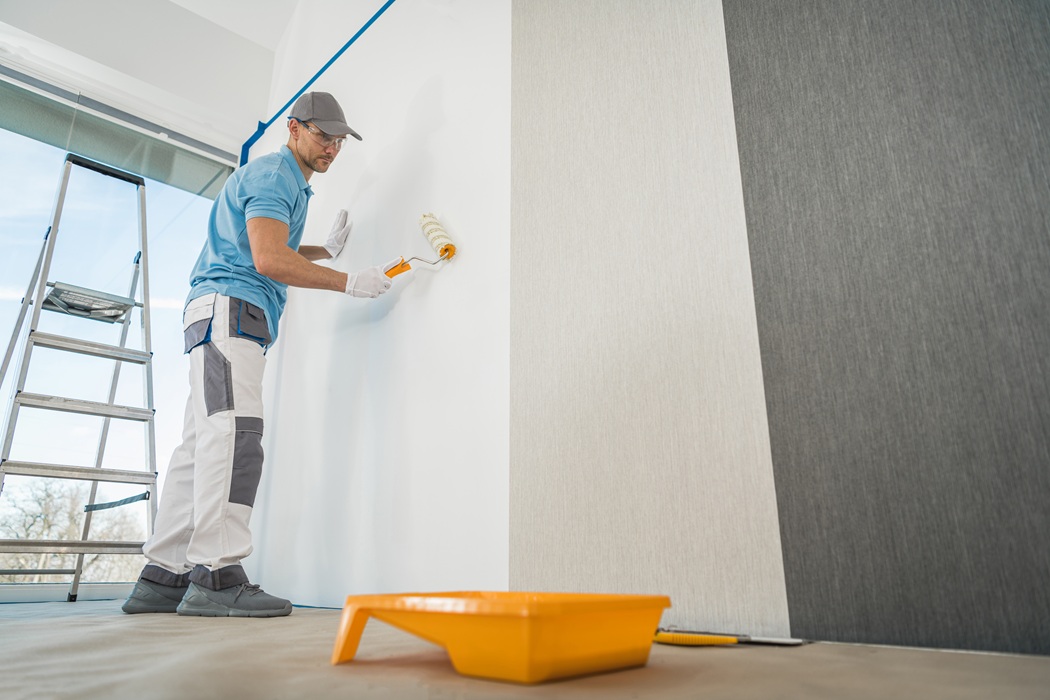
Paint colors almost always look different on your walls than they do on a tiny paint chip or phone screen. Natural light, artificial lighting, floor plans, furniture, and even neighboring walls all influence how a color appears.
Instead of committing immediately, paint large sample sections and observe them at different times of the day. This simple step can prevent costly disappointment later.
4. Using Low-Quality Paint to Save Money
Budget-friendly paint may seem like a smart way to reduce project costs. However, lower-quality products often:
- Require more coats
- Provide less consistent coverage
- Fade faster
- Scuff more easily
- Wear out sooner
Investing in quality paint usually results in better coverage, improved durability, and a finish that holds up longer.
5. Applying Paint Too Quickly
Painting isn’t a race. Applying the next coat before the previous one has dried can lead to streaks, peeling, or uneven texture. Likewise, rushing through cutting in or rolling large areas often leaves visible lap marks and inconsistent coverage. Allowing proper drying time between coats helps create a smoother, more professional-looking finish.
6. Ignoring Primer When It’s Needed
Primer isn’t necessary for every project, but there are situations where skipping it creates problems. Primer is especially important when:
- Painting over dark colors
- Covering stains
- Painting new drywall
- Repairing patched areas
- Painting glossy surfaces
Without primer, the final color may look uneven, and paint may not adhere properly.
7. Overloading the Brush or Roller
It might seem like using more paint will speed up the job. In reality, overloaded brushes and rollers often create:
- Drips
- Roller marks
- Uneven texture
- Thick edges
- Longer drying times
Applying multiple thin, even coats almost always produces better results than trying to cover everything in one pass.
8. Painting in Poor Lighting
Lighting affects more than just color selection. If a room isn’t well lit while you’re painting, it’s easier to miss thin spots, roller marks, or uneven coverage.
Whenever possible, paint during daylight hours or use bright work lights to inspect your progress as you go. You’ll often catch imperfections before the paint dries.
9. Overlooking Temperature and Humidity
Although interior painting isn’t exposed to outdoor weather, indoor conditions still matter. High humidity can slow drying times, while very cold rooms may affect how paint cures. For the best results, follow the manufacturer’s recommended temperature range and ensure good ventilation throughout the project.
10. Trying to Finish Everything in One Day
Many homeowners underestimate how long interior painting actually takes. Between preparation, repairs, priming, drying time, and cleanup, rushing the project often leads to mistakes that require additional work later. Breaking the project into manageable stages usually produces much better results.
When Hiring a Professional Can Save Time and Money
While homeowners can often handle smaller painting projects, larger jobs require careful planning and attention to detail. Professional painters know how to prepare surfaces correctly, recommend suitable products, achieve clean lines, and apply finishes evenly. They also have the tools and experience to complete projects efficiently while minimizing disruption to your home.
Whether you’re refreshing one room or repainting your entire home, the right preparation and application make all the difference. At Miles Makaroski Painting, we deliver professional interior painting services with lasting results and attention to every detail. Contact us today for a free estimate and let us help bring new life to your home’s interior.
FAQs
What is the most common interior painting mistake?
Poor surface preparation is one of the most common mistakes. Painting over dirty, damaged, or glossy surfaces can lead to poor adhesion and an uneven finish.
Do I always need to use primer?
Not always. Primer is recommended when painting over dark colors, new drywall, repaired areas, stains, or glossy surfaces where better adhesion is needed.
Why does my freshly painted wall look streaky?
Streaks are often caused by uneven application, poor-quality tools, insufficient drying time between coats, or trying to cover the surface with one thick coat instead of two thin coats.
How many coats of paint are usually needed?
Most interior walls require two coats for consistent coverage and durability, although this may vary depending on the color change and the quality of the paint.
Is expensive paint worth it?
In many cases, yes. Higher-quality paint typically provides better coverage, improved durability, and a more consistent finish, which can reduce maintenance and repainting over time.
One Response