
When Should You Re-Stain Wood? Key Indicators to Look For
If you’re a homeowner in Atkinson, Salem, or anywhere in southern New Hampshire, you know how quickly our weather can wear down wood surfaces. Between sun exposure in the summer and snow, rain, and ice in the winter, even the best-stained decks, fences, and trim eventually fade or peel. Many homeowners wait too long to re-stain, thinking the wood still looks okay until water starts seeping in or the color dulls beyond saving. That’s when costly repairs begin. Learn the signs that show when it’s time to re-stain wood surfaces.
Why Regular Wood Staining is Crucial?
Stain is a protective barrier against moisture, UV rays, and mildew. When it starts to fail, the wood underneath absorbs water, swells, and cracks over time. In New Hampshire’s freeze-thaw climate, that expansion and contraction cycle can destroy decks, fences, and siding faster than you’d think.
A properly maintained stain not only keeps your wood surfaces looking beautiful but also extends their lifespan by several years. Regular re-staining saves money, preserves structural integrity, and enhances your home’s curb appeal.
Fading Color and Dull Appearance
One of the easiest signs that it’s time to re-stain is fading color. If your deck or fence once had a rich cedar tone and now looks washed out or gray, UV rays have broken down the pigment and surface fibers.
In New Hampshire, where summers bring strong sunlight, fading can appear in as little as two years, especially on south-facing surfaces. When color dulls unevenly, the stain’s protective oils are likely breaking down, meaning your wood is exposed. Re-staining restores both beauty and protection.
Water No Longer Beads on the Surface
Try this simple test: sprinkle a few drops of water on your wood surface. If the water beads up, your stain is still working. If it soaks in, darkens the wood, or disappears quickly, the protective barrier has worn away.
This is one of the clearest indicators that re-staining is needed. Once wood starts absorbing moisture, it’s vulnerable to warping, cracking, and rot, especially after a wet New England winter.
Peeling, Flaking, or Blistering Finish
If you notice areas where the stain is lifting or flaking, it’s time for action. Peeling occurs when moisture becomes trapped beneath the surface, causing the finish to push outward. It can also mean that the previous application wasn’t properly prepared or that the wood wasn’t fully dry when stained.
Professional painters like Miles Makarowski Painting begin each staining project by power washing and sanding to remove failing layers. This ensures the new stain bonds deeply for even, lasting coverage.
Visible Mold, Mildew, or Gray Spots
Dark or gray patches on decks or fences are often signs of mold or mildew buildup, which thrives in shaded, damp areas. Once these stains appear, they don’t just affect appearance; they eat away at the wood’s surface fibers.
If you spot black or green growth, the stain has lost its protective properties. Re-staining with a mildew-resistant finish helps restore color and shields the surface from future damage.
Splintering or Rough Texture
When wood feels rough to the touch or splinters easily, it’s often due to surface fiber breakdown caused by exposure to the sun and moisture. Stain helps seal those fibers, keeping the surface smooth and safe for bare feet or hands.
Once roughness appears, sanding and re-staining are essential to stop further deterioration. This step also prevents injury, especially on decks and railings used frequently in warmer months.
Annual Weather Exposure in New Hampshire
New England’s climate can accelerate wear on exterior wood. Between freezing winters, spring rains, and humid summers, it’s common for homeowners in Atkinson or Salem to need deck or fence re-staining every 2–3 years. Horizontal surfaces (like decks) weather faster than vertical ones (like siding or fences) because they hold moisture and receive direct sunlight longer.
A regular maintenance schedule, including spring cleaning and re-staining as needed, keeps your wood looking beautiful and protected all year long.
FAQs
How often should you re-stain outdoor wood?
Most exterior wood surfaces in New Hampshire need re-staining every 2–3 years, depending on sun exposure, moisture, and stain quality.
What happens if you wait too long to re-stain wood?
Waiting too long allows moisture to penetrate, leading to cracking, warping, and rot. You may need costly repairs or full replacement.
Can you stain over the old stain?
Yes, but only if the previous layer is in good condition. Professionals clean, sand, and test adhesion before applying a new coat for even results.
How Professionals Re-Stain Wood Surfaces?
Re-staining isn’t just brushing on color. It’s a multi-step process that ensures deep penetration and lasting protection:
Cleaning: Power washing or hand scrubbing removes dirt, mildew, and old finish.
Drying: Surfaces must dry completely to prevent trapped moisture.
Sanding: Smooths rough spots and opens pores for better stain absorption.
Staining: Applied evenly with brushes or sprayers for consistent coverage.
Sealing (optional): Adds an extra UV and moisture shield for longevity.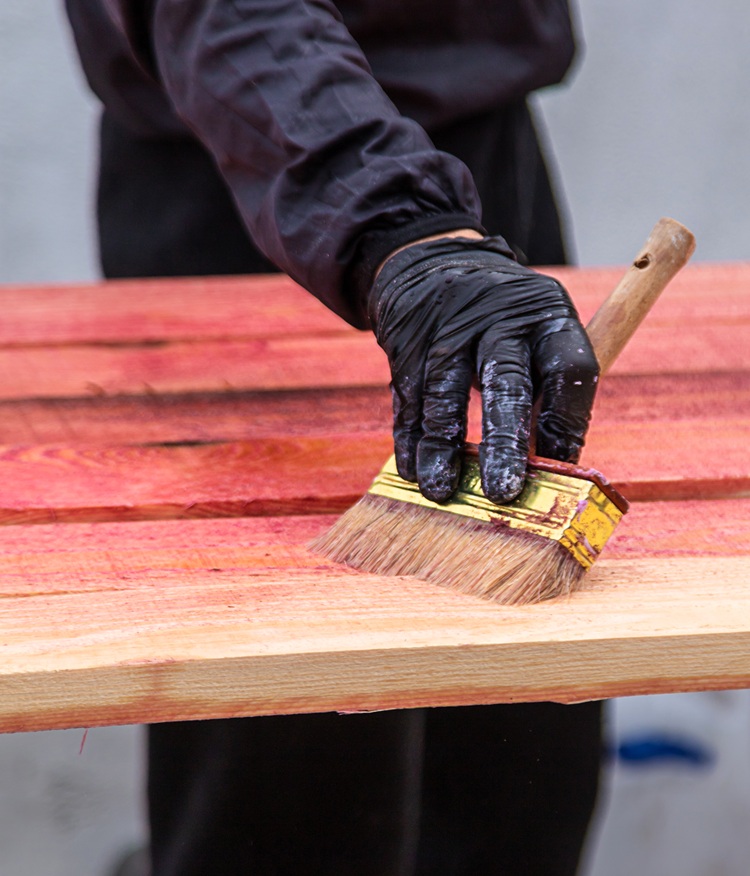
Professionals like Miles Makarowski Painting handle each of these steps carefully, tailoring the process to local weather conditions and wood type for the best results.
Your wood surfaces are constantly battling the elements. When you notice fading, peeling, or water absorption, it’s time to act before damage sets in. Re-staining enhances curb appeal and protects value.
If you’re not sure whether your deck, fence, or trim needs staining, schedule a free inspection with Miles Makarowski Painting. Our family-run team has been preserving and beautifying New Hampshire homes for over 40 years. Call (603) 489-8802 today to protect your wood and keep your home looking its best year-round.