
Pressure-Treated Wood Staining Mistakes and How to Avoid Them
You finally build or install a new deck, fence, or outdoor structure, and naturally, you want to protect it with a fresh coat of stain. But here’s where things often go wrong. Many homeowners rush the process, choose the wrong product, or apply the stain too soon, only to end up with blotchy color, peeling, or a finish that barely lasts a season. In New Hampshire, where weather swings hit hard, these mistakes show up even faster. At Miles Makaroski Painting, we’ve seen countless staining jobs fail because a few critical steps were missed. Let’s walk through the most common mistakes and how to avoid them.
Mistake #1: Staining Too Soon
This is the most common and costly mistake. Pressure-treated wood is saturated with chemicals and moisture when it’s new. If you apply the stain before the wood has fully dried, the stain won’t absorb properly. Instead, it sits on the surface, leading to uneven color, peeling, or early failure.
In New Hampshire’s climate, drying time can take several weeks to a few months, depending on weather conditions.
How to avoid it:
Give the wood time to dry. A simple way is a water test. Sprinkle water on the surface. If it soaks in, the wood is ready. If it beads up, wait longer.
Mistake #2: Skipping Surface Preparation
Even new wood isn’t ready for stain right away. Dirt, mill glaze (a shiny residue from manufacturing), and environmental buildup can prevent proper absorption. If you skip cleaning, the stain may look patchy or fail prematurely.
How to avoid it:
Clean the surface thoroughly using a wood cleaner or light pressure wash. Let it dry completely before applying the stain. Proper prep ensures even penetration and longer-lasting results.
Mistake #3: Using the Wrong Type of Stain
Not all stains work well on pressure-treated wood. Some homeowners choose thick, film-forming stains or paints that sit on top of the surface. On pressure-treated wood, especially in New England weather, this often leads to peeling and cracking.
How to avoid it:
Use a high-quality penetrating stain designed for exterior wood. These soak into the wood fibers instead of forming a surface layer, which helps them handle moisture and temperature changes better.
Mistake #4: Applying Too Much Stain
More isn’t better when it comes to staining. Overapplying stain prevents proper absorption and can leave a sticky or uneven finish. It also increases the chance of peeling, especially during humid New Hampshire summers.
How to avoid it:
Apply thin, even coats and wipe off excess stain if needed. The goal is absorption, not buildup.
Mistake #5: Ignoring Weather Conditions
Weather plays a huge role in how the stain performs. Applying stain in direct sun, high humidity, or right before rain can affect how it dries and bonds. In New Hampshire, where conditions can shift quickly, timing matters.
How to avoid it:
Choose a mild, dry day with moderate temperatures. Avoid staining in extreme heat or when rain is expected within 24–48 hours.
Mistake #6: Not Accounting for Maintenance
Staining isn’t a one-and-done project. Many homeowners expect stain to last indefinitely, but even the best products wear down over time, especially in areas exposed to snow, rain, and foot traffic.
How to avoid it:
Plan for maintenance. Decks and high-traffic areas may need restaining every 2–3 years. Regular inspections help catch wear before it becomes a bigger issue.
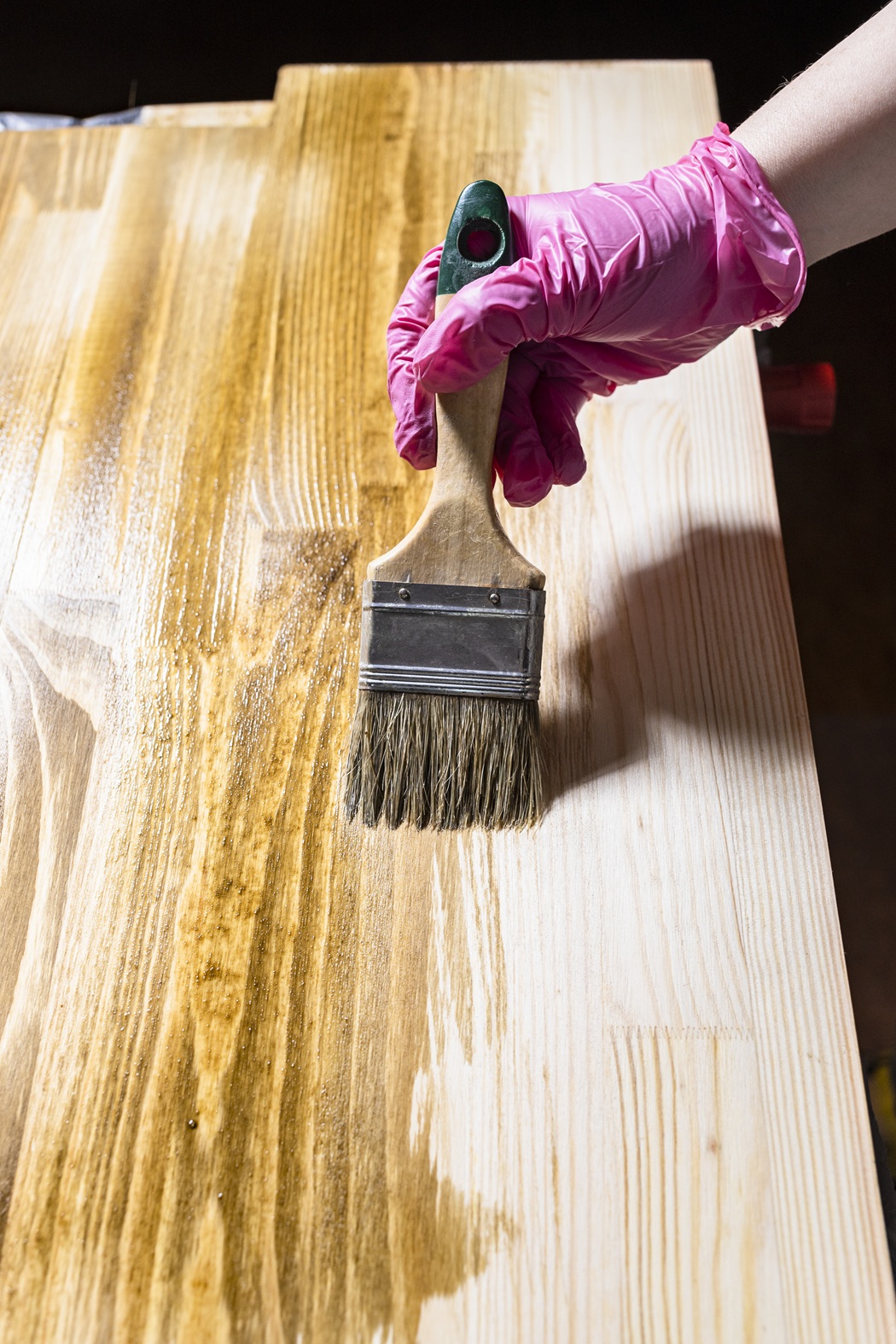
Mistake #7: Poor Application Technique
Uneven strokes, missed spots, or inconsistent application can ruin the final look. This often happens when rushing or using the wrong tools.
How to avoid it:
Use the right applicator brush, roller, or sprayer depending on the surface, and apply stain consistently along the grain. Work in sections to maintain a uniform finish.
Why These Mistakes Happen So Often
Most staining mistakes come from assumptions. People assume:
- New wood is ready immediately
- All stains work the same
- The weather won’t impact the results
- Prep isn’t that important
In reality, pressure-treated wood behaves differently, especially in a climate like Atkinson and the surrounding New Hampshire areas.
When to Call a Professional
If your wood is new, unevenly weathered, or part of a large structure like a deck or fence, getting it right the first time and choosing the right stain for the deck is crucial. Miles Makaroski Painting handles:
- Proper cleaning and prep
- Moisture testing
- Product selection based on New England conditions
- Professional application
A well-done staining job looks better, lasts longer, and saves money over time.
Conclusion
Staining pressure-treated wood isn’t complicated, but it is precise. Timing, preparation, product choice, and application all need to work together. In New Hampshire’s demanding climate, small mistakes can lead to big problems quickly.
Avoiding these common errors means your wood stays protected, looks better, and lasts for years, not just a season.
Don’t risk another season of peeling or uneven stain. Let Miles Makaroski Painting handle your staining project with the right prep, products, and technique. Call (603) 489-8802 to schedule your free consultation and discover how the right finish can completely transform your home.
FAQs
How long should I wait before staining pressure-treated wood?
Typically, a few weeks to a few months, depending on weather conditions. The wood must be fully dry before staining, or the finish won’t absorb properly.
What type of stain is best for pressure-treated wood?
Penetrating oil-based or high-quality water-based stains work best. They soak into the wood rather than sitting on top, which helps prevent peeling.
Can I stain pressure-treated wood right away?
No. New pressure-treated wood contains moisture that prevents proper absorption. Staining too soon often leads to blotchy or peeling results.
Why does my stain look uneven on wood?
Uneven results are usually caused by poor prep, moisture in the wood, or inconsistent application. Properly cleaning and drying the surface helps fix this.
How often should pressure-treated wood be restained?
Most decks and outdoor structures need restaining every 2–3 years, depending on weather exposure and usage.