
Top 7 Painting Problems Found in Historic New England Homes
Older homes in New England, including those around Atkinson and Salem, often come with hidden issues that make painting far more complicated than expected. What looks like a simple repaint can quickly turn into a frustrating and expensive process if those problems aren’t addressed first. At Miles Makaroski Painting, we’ve worked on homes with decades of paint history, aging materials, and weather exposure, and we can help you handle your painting project easily.
1. Peeling and Layered Paint Build-Up
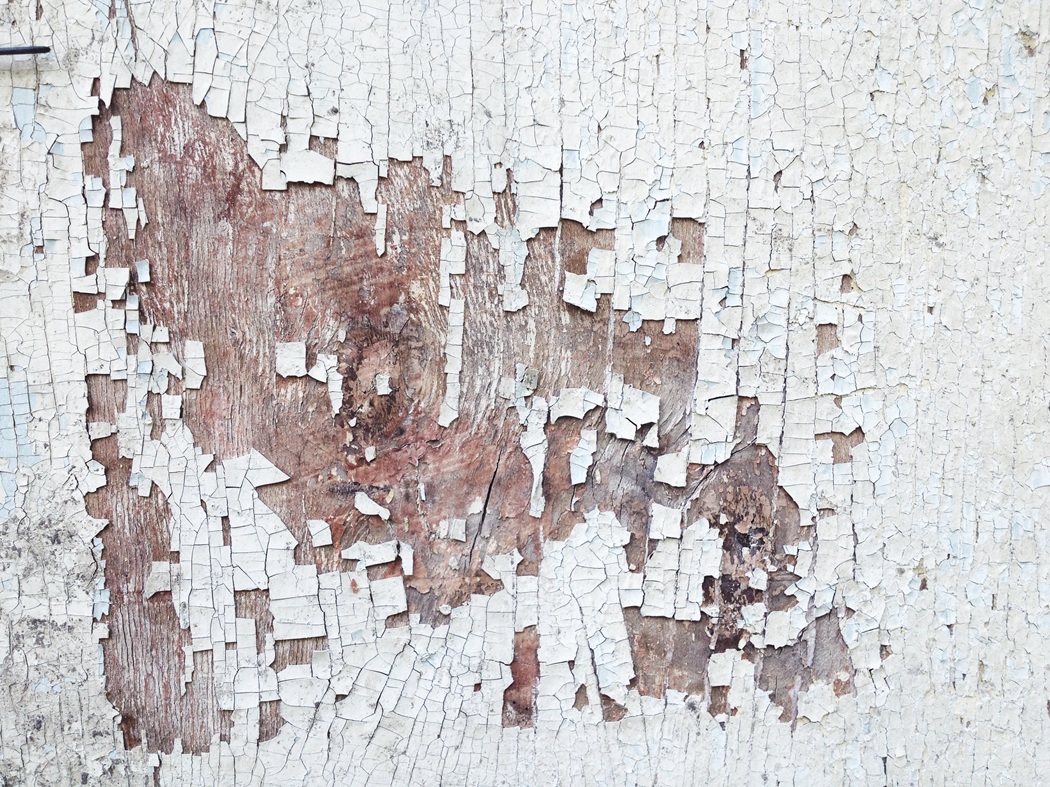
Many older homes have been painted multiple times over the years. Instead of removing old layers, new coats are often applied on top. Over time, those layers lose adhesion. You might notice cracking, bubbling, or entire sections peeling away. This isn’t just surface-level. When the bottom layer fails, everything above it follows.
Fix
Proper scraping, sanding, or in some cases, full removal is necessary. Simply painting over peeling areas will only delay the problem, not solve it.
2. Moisture Damage and Hidden Rot
New England weather is tough on older structures. Years of rain, snow, and humidity can allow moisture to seep into wood siding, trim, and framing. Sometimes the damage isn’t obvious until the paint starts bubbling or the wood feels soft beneath. Painting over moisture-damaged surfaces traps the problem inside and leads to faster failure.
Fix
Identify and repair the source of moisture first, whether it’s poor drainage, damaged gutters, or failing caulking. Replace rotted wood before repainting.
3. Lead Paint Concerns
Homes built before 1978 often contain lead-based paint. This adds a serious safety consideration to any painting project. Disturbing old paint through sanding or scraping can release harmful dust into the air. This isn’t something to guess your way through.
Fix
Follow proper safety protocols or work with professionals trained in lead-safe practices. Containment, protective equipment, and careful removal methods are essential.
4. Uneven Surfaces and Aging Materials
Older homes rarely have perfectly smooth surfaces. Years of wear can leave behind dents, cracks, warped wood, and patched areas that show through fresh paint. Even small imperfections become more noticeable once a new coat is applied.
Fix
Surface preparation is key. Filling, sanding, and priming help create a uniform base so the final finish looks clean and consistent.
5. Poor Adhesion on Old Wood
As wood ages, it becomes more porous and less predictable. Some areas may absorb paint too quickly, while others resist it entirely. This leads to blotchy finishes or paint that doesn’t bond properly.
Fix
Use high-quality primers designed for older wood. These help create a stable surface and improve adhesion before applying the final coat.
6. Outdated or Failing Caulking
Caulking around windows, doors, and trim often deteriorates over time. Cracked or missing caulk allows moisture in, which affects both the structure and the paint. Ignoring this step is one of the fastest ways to shorten the lifespan of a paint job.
Fix
Remove old caulking and apply fresh, flexible sealant before painting. This protects vulnerable areas and improves durability.
7. Color Inconsistencies from Previous Work
Older homes often have a patchwork of previous paint jobs, different colors, finishes, and application methods layered over time. Even after repainting, these inconsistencies can show through if not handled correctly.
Fix
Priming is essential, especially when covering dark or uneven colors. It creates a consistent base and ensures the final color looks uniform.
Why These Problems Are Common in New England?
Homes in this region old and have been exposed to decades of harsh seasonal changes. Freezing winters cause expansion and contraction. Humid summers introduce moisture. Repeated cycles of wear break down surfaces over time.
What works on newer homes often isn’t enough here. Older New England homes require a more careful, experienced approach to painting.
When to Call a Professional
If your home shows signs of peeling, moisture issues, or multiple layers of paint, it’s not just a painting job; it’s a restoration process.
Miles Makaroski Painting has over 40 years of experience working on homes throughout Atkinson, Salem, and the surrounding New Hampshire areas. We understand how to properly prep, repair, and paint older surfaces so the results last.
If your home is showing signs of peeling, aging paint, or surface damage, don’t guess your way through it. Miles Makaroski Painting specializes in restoring and repainting older New England homes with the right prep and materials. Contact us today at 603-489-8802 for a free estimate and get results that last.
FAQs
Why does paint peel more in older homes?
Older homes often have multiple paint layers and underlying moisture issues. When the base layers fail, newer paint loses adhesion and begins to peel.
Can I paint over old paint in an older home?
You can, but only if the existing paint is stable. Peeling or damaged areas must be properly removed and prepped before applying new paint.
How do I know if my home has lead paint?
Homes built before 1978 may contain lead paint. Testing kits are available, but professional evaluation is recommended for accurate results and safe handling.
Why does my paint look uneven on old walls?
Uneven surfaces, patches, and different absorption rates in older materials can affect how paint appears. Proper prep and priming help create a uniform finish.
How long should paint last on an older home?
With proper preparation and quality materials, exterior paint can last 7–10 years. However, older homes may require more maintenance depending on condition and exposure.