
Should You Paint or Stain Your Fence? Expert Fence Finishing
A fence does more than mark your property line. It adds privacy, security, and curb appeal. But over time, constant exposure to sunlight, rain, snow, and changing temperatures can leave it looking worn. When it’s time to restore your fence, one of the biggest decisions you’ll face is whether to paint it or stain it. They offer different benefits depending on your goals, your fence’s condition, and the level of maintenance you’re comfortable with. This guide explains the differences so you can make the right choice for your home.
The Difference Between Fence Paint and Stain
Although both products are designed to protect exterior wood, they work in very different ways. Paint forms a protective coating on the surface of the wood. It completely covers the natural grain and gives the fence a solid, uniform color.
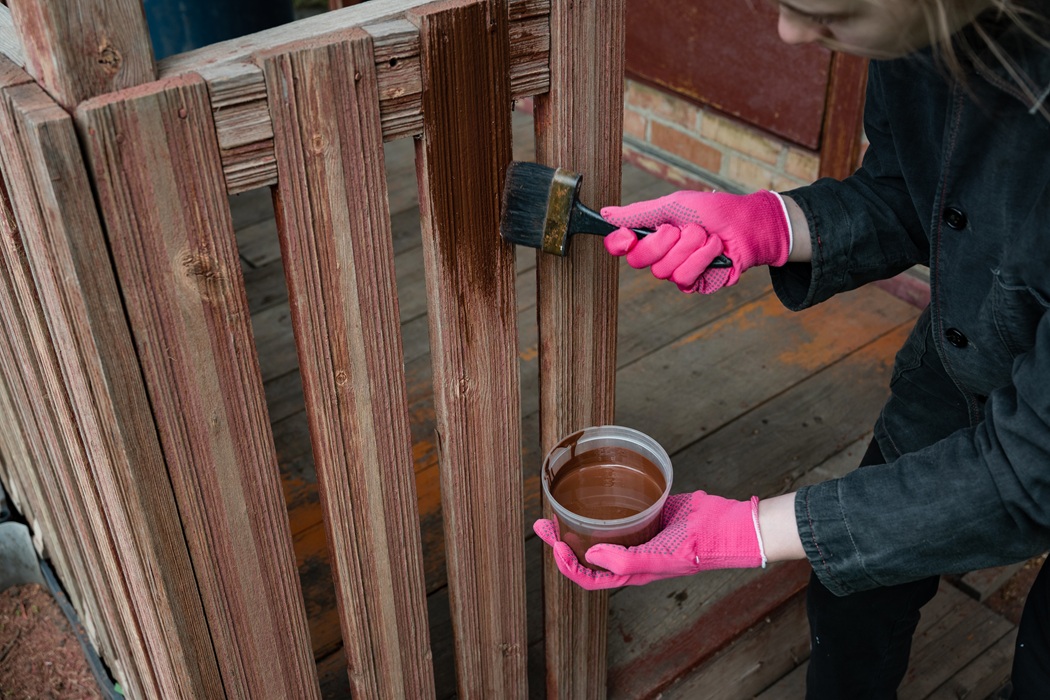
Stain, on the other hand, penetrates the wood rather than sits on top of it. Rather than hiding the wood’s character, it enhances the natural grain while adding protection against moisture and UV exposure. The right option depends on whether you want complete color coverage or a more natural-looking finish.
When to Paint Your Fence
Painting is often the better choice if your goal is to transform the appearance of your fence completely. Since paint provides solid color coverage, it can hide imperfections, discoloration, and previous stains more effectively than stain.
Painting may be a good option if:
- You want a bold or modern color.
- Your fence has cosmetic imperfections you want to disguise.
- You’re matching the fence to your home’s exterior.
- You prefer a smooth, uniform finish.
A professionally painted fence can dramatically improve curb appeal and give older fencing a refreshed appearance.
When to Stain Your Fence
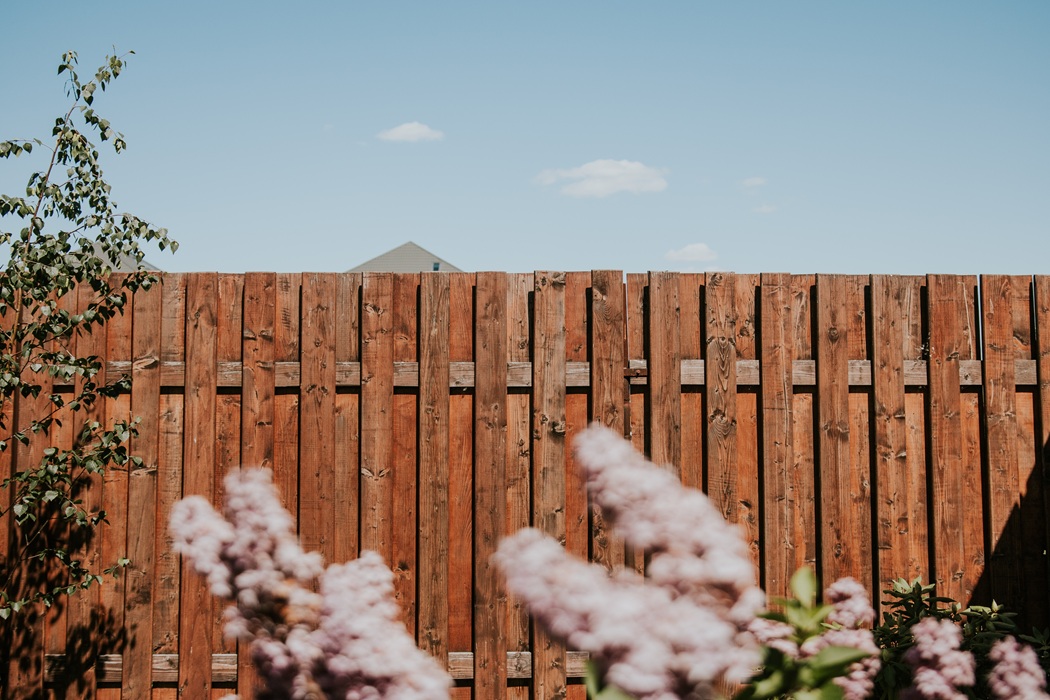
If you appreciate the natural beauty of wood, stain is usually the better option. Instead of covering the grain, stain allows the wood’s texture and character to remain visible. Many homeowners prefer this look because it feels warmer and more timeless.
Staining is often ideal for:
- Cedar fences
- Pressure-treated wood
- New wooden fences
- Rustic or traditional homes
Stain penetrates the wood and also tends to peel less than paint as it ages.
Durability
There’s no universal winner because longevity depends on several factors, including the product used, surface preparation, weather exposure, and ongoing maintenance. High-quality paint often provides longer-lasting color retention, but when it eventually fails, it may peel or crack, requiring more extensive preparation before repainting.
Stain typically fades gradually instead of peeling. While it may need reapplication more frequently, maintenance is often simpler because there is usually less scraping involved. Regular inspections and maintenance help maximize the lifespan of either finish.
Affect of New Hampshire Weather
New Hampshire’s climate presents unique challenges for outdoor wood. Throughout the year, fences experience:
- Heavy rain
- Snow and ice
- Humid summers
- Freeze-thaw cycles
- Strong UV exposure
These conditions cause wood to expand and contract repeatedly. A properly applied paint system creates a protective outer barrier, while stain penetrates deeper into the wood to help reduce moisture absorption. Choosing high-quality products and preparing the surface correctly are just as important as choosing between paint and stain.
Maintenance Requirements
Every exterior finish requires maintenance eventually. Paint generally lasts longer before needing attention, but when problems develop, repairs can be more labor-intensive because peeling paint usually needs to be scraped and prepared before recoating.
Stained fences typically require more frequent maintenance, but refreshing a stained fence is often more straightforward because fading occurs gradually rather than through peeling. Neither option is completely maintenance-free, but understanding the long-term commitment can help you make a better decision.
Can You Paint Over an Old Stained Fence?
Sometimes, but not always. Before painting over stain, the fence must be thoroughly cleaned and properly prepared. Depending on the type of stain already on the wood, additional sanding or priming may be required to achieve good adhesion.
Skipping these preparation steps can lead to peeling paint and poor durability. If you’re unsure what type of stain is currently on your fence, a professional inspection can help determine the best approach.
Can You Stain Over a Painted Fence?
In most cases, no, because the stain needs to penetrate the wood fibers, it cannot soak through an existing layer of paint. If you want to switch from paint to stain, the old paint must be completely removed first, which can be time-consuming depending on the condition of the fence.
Choosing the Right Option
If you’re still unsure, asking yourself a few questions can help. Paint may be the better choice if you want:
- Complete color coverage
- A modern appearance
- To hide imperfections
- A fence that matches your home’s exterior
Stain may be the better choice if you want:
- A natural wood appearance
- Visible grain and texture
- Easier long-term maintenance
- Protection without changing the wood’s character
Every fence is different, so the best choice depends on both appearance and condition.
Professional Fence Painting and Staining
Whether you choose paint or stain, preparation has a major impact on the final result. Cleaning, repairing damaged boards, choosing the correct products, and applying them under the right weather conditions all help ensure the finish lasts as long as possible.
At Miles Makaroski Painting, we provide professional fence painting and staining services throughout Atkinson, Salem, and surrounding New Hampshire communities. From wood privacy fences to decorative fencing, we help homeowners choose the finish that best suits their property and protects it against New England weather.
Conclusion
Both paint and stain offer valuable protection for your fence, but they serve different purposes. Paint provides complete color coverage and a refreshed appearance, while stain highlights the natural beauty of the wood and typically offers simpler maintenance over time.
By considering your fence’s condition, your preferred style, and the demands of New Hampshire’s climate, you can choose a finish that keeps your fence looking its best for years to come.
If your fence is looking faded, weathered, or overdue for a refresh, Miles Makaroski Painting can help. Whether you’re leaning toward painting or staining, our experienced team will recommend the best solution for your fence, your budget, and New Hampshire’s climate. Contact us at 603-489-8802 for commercial fence painting services.
FAQs
Is it better to paint or stain a wooden fence?
It depends on your goals. Paint offers solid color coverage and hides imperfections, while stain enhances the natural wood grain and often requires less intensive maintenance as it ages.
Does paint or stain last longer on a fence?
Both can provide long-lasting protection when properly applied. Paint often lasts longer before needing repainting, while stain usually fades gradually and is easier to refresh.
Is staining cheaper than painting a fence?
Costs vary depending on the size and condition of the fence, the products used, and the amount of preparation required. Long-term maintenance should also be considered when comparing overall value.
How often should a fence be repainted or restained?
Most fences benefit from maintenance every few years, although the exact timeline depends on weather exposure, product quality, and the condition of the wood.
One Response