
Understanding Exterior Paint Peeling and How to Stop It
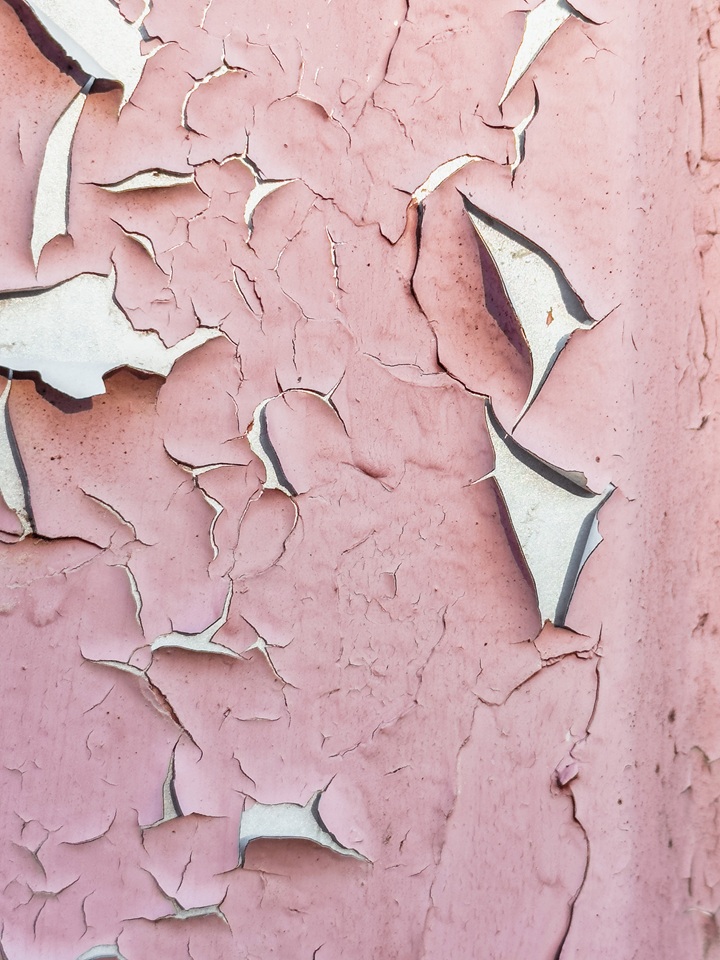
Few things are more frustrating than stepping back to admire your home only to notice bubbling, cracking, or peeling paint months after a repaint. In New Hampshire, where homes in Atkinson and surrounding towns face freezing winters, humid summers, and heavy rain, peeling exterior paint is one of the most common and costly homeowner complaints. Many assume it’s just bad paint, but the truth is usually deeper than that. At Miles Makaroski Painting, we’ve seen firsthand that peeling almost always traces back to prep, moisture, or product selection, not just the topcoat. This article explains why paint fails and how to prevent it.
1. The #1 Cause of Peeling Paint: Moisture
Moisture is the biggest enemy of exterior paint. When water gets behind the paint film through cracks, unsealed joints, damaged caulking, or improperly primed surfaces, it pushes the paint away from the wood. As temperatures change, the trapped moisture expands and contracts. Eventually, the paint loses adhesion and starts to bubble or peel. In New England, this happens often because of:
- Freeze-thaw cycles
- Ice dams
- Heavy rainfall
- Humid summer air
- Poor ventilation
If the underlying moisture problem isn’t fixed, repainting alone won’t solve it.
2. Poor Surface Preparation
Here’s the thing most homeowners don’t realize: paint sticks best to clean, dull, properly primed surfaces. It does not bond well to dirt, chalky residue, loose paint, or glossy finishes. Common prep mistakes include:
- Skipping pressure washing
- Painting over peeling areas without scraping
- Failing to sand edges smooth
- Not using primer on bare wood
- Painting damp surfaces
In Atkinson’s climate, even slightly damp siding can trap moisture under new paint. That’s when peeling shows up within a year. Prep is not the glamorous part of painting, but it’s the most important.
3. Using the Wrong Type of Paint
Not all exterior paints are designed for New Hampshire’s climate. Low-quality paint may look fine initially, but it lacks the flexibility and adhesion needed for seasonal expansion and contraction. When siding expands in summer heat and contracts in winter cold, rigid paint can crack and separate.
Higher-grade exterior paints are formulated to move with the surface. They also offer better UV resistance, which prevents drying and brittleness over time. Choosing the wrong product can shorten the lifespan of even the best prep job. This is one of the most common painting mistakes that eventually leads to peeling.
4. Painting Over Old, Failing Layers
If previous paint layers are already separating from the surface, applying a new coat on top doesn’t fix the problem. It hides it temporarily. Think of it like placing a new sticker over a peeling one. It may look better for a while, but eventually the bottom layer pulls everything off with it.
In some cases, full removal or heavy sanding is necessary before repainting. Skipping this step almost guarantees future peeling.
5. Painting in the Wrong Weather Conditions
Exterior painting requires the right temperature and humidity levels. The paint may not cure properly if it is applied when:
- It’s too cold
- It’s too hot
- The surface is in direct harsh sunlight
- Humidity is too high
Improper curing affects adhesion, flexibility, and long-term durability. New Hampshire weather can change quickly. Professional painters watch forecasts carefully to ensure conditions are ideal before starting.
How to Prevent Exterior Paint Peeling?
Prevention always costs less than repair.
- Start by addressing moisture sources. Repair leaks, replace damaged caulking, improve ventilation, and fix rotted wood before painting begins.
- Next, invest in thorough preparation. That includes power washing, scraping, sanding, priming, and ensuring surfaces are completely dry.
- Use high-quality exterior paint designed for harsh seasonal changes. Flexible, breathable coatings perform best in climates like ours.
- Finally, schedule regular inspections. Small cracks or gaps caught early prevent large peeling sections later.
When Peeling Paint Is a Bigger Warning Sign
Sometimes peeling is more than cosmetic. It can indicate:
- Wood rot
- Water infiltration behind siding
- Structural moisture issues
- Failing flashing or gutters
If peeling keeps returning in the same area, it’s usually pointing to a deeper issue. At Miles Makaroski Painting, we don’t repaint over problem areas; we investigate why they’re failing. That approach is what allows our exterior jobs to last through tough New Hampshire winters.
Professional Prep Makes the Difference
Anyone can apply paint. Not everyone can prepare a surface correctly. Exterior painting in Atkinson requires understanding how wood behaves through four seasons. It requires patience during prep, attention to weather conditions, and the choice of materials that hold up under pressure.
When peeling happens prematurely, it’s rarely because paint was applied; it’s because something critical was skipped.
Conclusion
Exterior paint peels because of moisture, poor prep, wrong product selection, or improper timing. In New Hampshire’s demanding climate, cutting corners almost always leads to early failure. The key to long-lasting exterior paint is preparation, quality materials, and climate-aware application.
If you’re dealing with peeling paint or planning a repaint in Atkinson or nearby towns, choosing the right approach from the start can save years of frustration. Contact Miles Makarowski Painting. With over 40 years of experience, our family-owned team brings expert guidance, precision, and a sense of pride to every painting project. Call (603) 489-8802 to schedule your free consultation.
FAQs
Why is my exterior paint peeling after only a year?
Most early peeling is caused by trapped moisture or inadequate surface preparation. If the wood wasn’t fully dry or properly primed, the paint may fail quickly, especially in New Hampshire’s freeze-thaw climate.
Can I just paint over peeling paint?
No. Painting over peeling areas only hides the issue temporarily. Loose paint must be scraped, sanded, and properly primed before applying new paint to ensure adhesion.
Does humidity cause exterior paint to peel?
Yes. High humidity and moisture infiltration can weaken the bond between paint and siding. Over time, this leads to bubbling, cracking, and peeling.
How long should exterior paint last in New Hampshire?
With proper prep and high-quality materials, exterior paint should last 7–10 years, depending on exposure and maintenance.
When should I call a professional about peeling paint?
If peeling is widespread, keeps returning, or exposes bare wood, it’s best to consult a professional. Persistent peeling often indicates deeper moisture or surface issues.