
Choosing the Right Stain for Decks, Fences, and Siding
Choosing a stain sounds simple until you’re standing in the paint aisle staring at dozens of cans, wondering why your last stain peeled, faded, or turned gray after only a few seasons. Between harsh winters, humid summers, and strong sun exposure, the wrong stain choice can cost you time, money, and frustration. This guide explains how to choose the right stain for your deck, fence, or siding, so you can protect your wood, enhance curb appeal, and avoid costly rework with tips from Miles Makarowski Painting experts.
Choosing the Right Stain Matters More Than Color
Stain doesn’t only involve looks. It’s your wood’s first line of defense against moisture, UV exposure, mildew, and rot. In New Hampshire, where freeze-thaw cycles are brutal and humidity sticks around longer than expected, the wrong stain can trap moisture or break down fast.
Too many homeowners spend thousands staining a deck, only to see peeling or blotchy fading within two years. That usually comes down to product choice, not poor luck.
Understand Your Wood Surface First
Before you even think about color, you need to understand what you’re staining. Newer decks made from pressure-treated lumber absorb stain differently from older, weathered wood. Cedar and redwood behave differently from pine.
Fences that face full sun need greater UV resistance than those in the shade. Siding with vertical exposure affects how moisture drains. This step is often skipped, and it’s where problems begin.
Oil-Based vs. Water-Based Stains: What Works Best in NH?
Oil-based stains penetrate deeper into the wood, making them a popular choice for older decks and fences. They’re excellent for moisture resistance and tend to wear more evenly over time. In New Hampshire climates, this can be a big advantage. Water-based stains dry faster and hold color well, but they sit closer to the surface.
On exposed decks, they may peel sooner if the wood isn’t prepped perfectly. That said, they can work very well for siding and newer wood when applied correctly. Choosing between oil vs water-based stains isn’t about which is better overall; it’s about which is better for your specific surface.
Transparent, Semi-Transparent, or Solid Stain
This is where style and durability intersect. Transparent stains highlight natural wood grain but offer minimal UV protection. They look great at first, but require more frequent reapplication. Semi-transparent stains are a favorite for decks and fences in Atkinson and Salem. They enhance grain while providing solid protection and a longer lifespan.
Solid stains act more like paint, offering maximum coverage and protection. They’re ideal for older siding or wood with visible wear where appearance consistency matters more than grain visibility.
Matching Stain Choice to Local Weather Conditions
New Hampshire weather doesn’t play fair. Snow buildup, spring rain, summer humidity, and direct sunlight affect stain performance. South-facing decks fade faster. Low-lying fences stay damp longer. Siding near tree cover is more prone to mildew.
These real-world conditions should influence both product selection and finish type. This is where professional experience matters most because no label can account for how your specific property behaves year-round.
Common Staining Mistakes Homeowners Make
Many stain failures have nothing to do with product quality. Applying stain too soon after pressure washing, staining in direct sun, or choosing the wrong opacity for the wood condition are common issues.
Another big one is trying to switch stain types without proper stripping or prep. That shortcut almost always shows up later.
When Professional Help Makes the Difference
If choosing the right stain feels overwhelming, that’s normal. Between surface prep, product compatibility, and local conditions, a lot is riding on one decision. That’s why homeowners often turn to Miles Makarowski Painting.
With over 40 years of experience working on decks, fences, and siding across New Hampshire, they know which stains last, how to apply them correctly, and how to protect your investment, not just for one season, but for years. If you’re already investing in staining, it makes sense to do it once and do it right.
If you’re not sure whether your deck, fence, or siding needs staining, schedule a free inspection with Miles Makarowski Painting. With over 40 years of experience, our family-owned team brings expert guidance, precision, and a sense of pride to every project. Call (603) 489-8802 to schedule your free consultation and discover how the right finish can completely transform your home.
FAQs
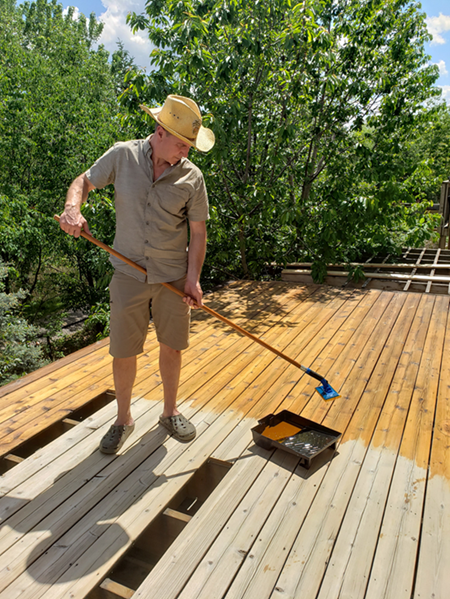
How long does deck stain last in New Hampshire?
Most quality stains last between 2–5 years, depending on exposure, prep work, and stain type. South-facing decks typically need maintenance sooner due to sun damage.
Is it better to stain or paint a deck?
Stain penetrates wood and wears more naturally, making it better for decks. Paint sits on the surface and is more likely to peel under foot traffic and in the presence of moisture.
What time of year is best for staining a deck in NH?
Late spring through early fall is ideal, when temperatures are moderate and humidity is lower. Avoid staining during extreme heat or right before rain.
Can I stain over an old stain?
Sometimes, but it depends on the existing stain type and condition. Switching from solid to transparent stains usually requires full stripping and prep.
How do I know if my deck needs to be restained?
If water no longer beads on the surface, color looks washed out, or wood appears dry or rough, it’s time to restrain.